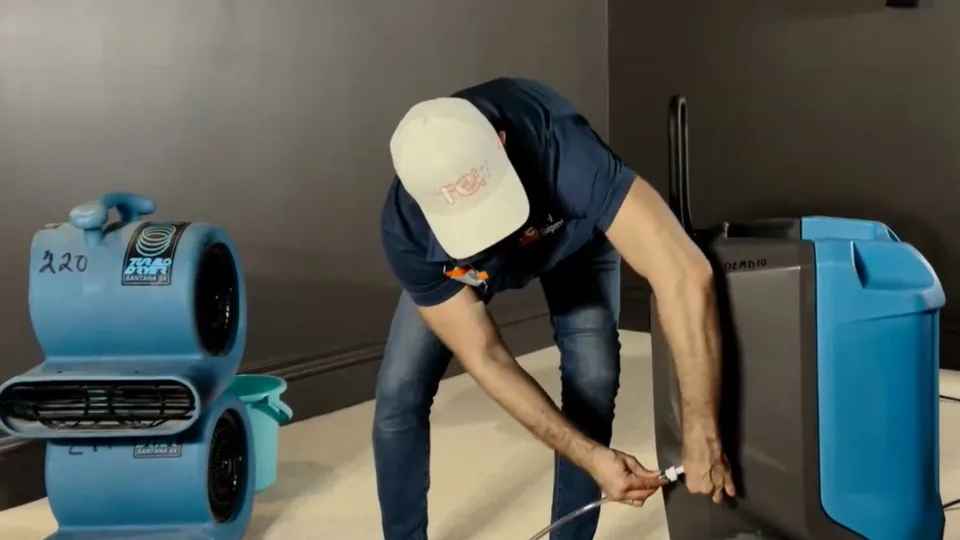
Water damage restoration in Downey, CA is the work of drying, cleaning, and repairing a building after water gets in, whether from a burst pipe, a failed water heater, a washing machine hose, or a sewage backup. Call the restoration line now if water is spreading, and the first steps will be extraction and drying.
Water damage restoration is a different job from plumbing repair, which is why this page has its own phone line. A plumber fixes what leaked. A restoration crew deals with what got wet.
What to do in the first hour
- 1Stop the source if you can: close the main shutoff or the fixture valve.
- 2Switch off power to wet areas only if you can reach the breaker without standing in water.
- 3Photograph and video the damage before you move anything.
- 4Move small items, rugs, and electronics to a dry place.
- 5Open windows if the weather allows, and run fans if the power is safe.
- 6Call your insurer, then call the restoration line.
Water categories and why they matter
| Category | Source | What it usually means |
|---|---|---|
| Category 1 | Clean source, such as a broken supply line | Often dried in place if caught quickly |
| Category 2 | Gray water, such as a washing machine or dishwasher | Needs cleaning, and porous materials may be removed |
| Category 3 | Grossly contaminated, such as sewage or floodwater | Affected porous materials are usually removed |
The categories come from ANSI/IICRC S500, the industry standard for professional water damage restoration. The standard also classes a loss from 1 to 4 by how fast water will evaporate from the materials, which sets how much drying equipment is needed. The category and the class together decide the plan.
Water in the house?
Call the restoration line now. The first hours decide how much is saved.
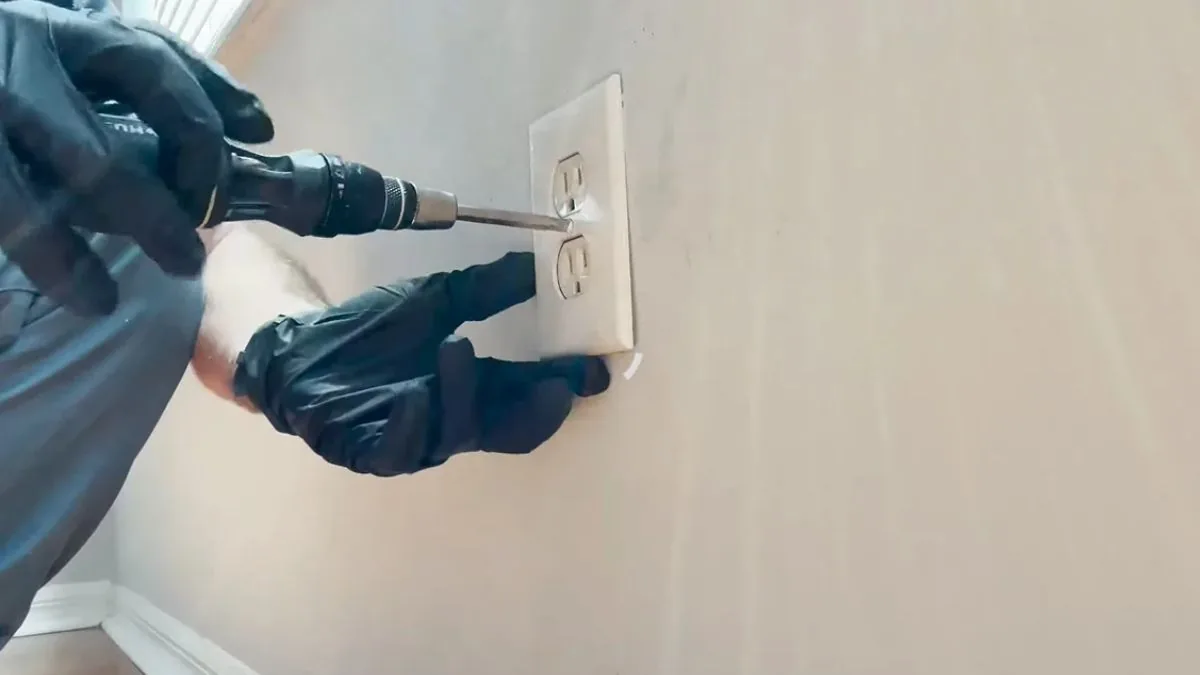
From wet to dry, step by step
Assess
Moisture meters and thermal imaging map how far the water went.
Extract
Standing water and soaked materials are removed.
Dry
Air movers and dehumidifiers dry the structure, with daily readings.
Restore
Cleaning, repairs, and rebuilding of what could not be saved.
Why older homes and fast action matter
Census-based counts show roughly 13,400 Downey homes were built in the 1950s. Older homes can have wood framing, plaster or drywall, and old subfloors that hold water for days. The City of Downey Water Division keeps pressure at about 65 psi at its water yard, and a split supply line at that pressure can put a lot of water in a house in a short time.
The practical lesson is to know your main shutoff valve before you need it. Our burst pipe repair page explains how, and the plumbing repair is a separate call once the water is off. If you are not sure where the water came from, leak detection finds the source.
How to check a restoration company
Questions worth asking
- 1Are you licensed and insured, and can I see proof?
- 2Do you hold IICRC firm certification? Look it up on the IICRC's website yourself.
- 3How do you document moisture readings and equipment?
- 4How will you work with my insurance company?
- 5Who rebuilds, and who coordinates the plumber?
What shapes a restoration price
Insurance note: many policies cover sudden water damage, such as a burst pipe, and exclude slow leaks and wear. Sewage backup often needs a separate endorsement. Document everything and call your insurer early.
Water damage questions from Downey homeowners
Plumbing repair fixes the pipe, fixture, or appliance that leaked. Water damage restoration deals with the building and contents that got wet: drying them, cleaning them, and rebuilding what cannot be saved. They are separate trades, which is why this page has its own phone line.
Mold can begin to grow within 24 to 48 hours in damp materials, which is why speed matters. Drying quickly and thoroughly is the main protection. Do not assume that a surface that feels dry is dry inside, because wet drywall and padding can hold moisture.
The industry standard, ANSI/IICRC S500, groups water by contamination. Category 1 comes from a clean source such as a supply line. Category 2 is gray water, such as from a washing machine. Category 3 is grossly contaminated, such as sewage or floodwater. The category decides what can be dried and what must be removed.
Photograph and video everything first, then start drying. Many policies expect you to take reasonable steps to prevent further damage, and waiting lets damage spread. Call your insurer promptly, keep receipts, and ask what they require. This is general information, not insurance advice.
Sometimes. Clean-water damage caught quickly can often be dried in place. Carpet padding, insulation, and wet drywall are commonly removed, and anything touched by Category 3 water is usually discarded. A moisture meter and thermal camera show how far the water went.
Ask for proof of licensing and insurance, and ask whether the firm holds IICRC firm certification, which you can look up on the IICRC's website. Ask how they document moisture readings, because good records help your insurance claim. This site does not claim any company's certification.
Still seeing water?
Call the restoration line now. The sooner drying starts, the less has to be torn out.
Once the structure is dry, the next step is finding why it got wet. Start with water line repair and replacement if the supply line is the cause. For the first 48 hours, see emergency water removal. We respond in Norwalk and the neighboring cities too.
Downey, in Los Angeles County, is served by the City of Downey Water Division, whose pressure near 65 psi can put a lot of water in a house quickly from a split line. From the Columbia Memorial Space Center area to Wilderness Park, knowing the main shutoff is the cheapest protection against a restoration job.
Water damage right now?
Call the restoration line any hour. Start drying before mold starts.
☎ Call (833) 521-1033