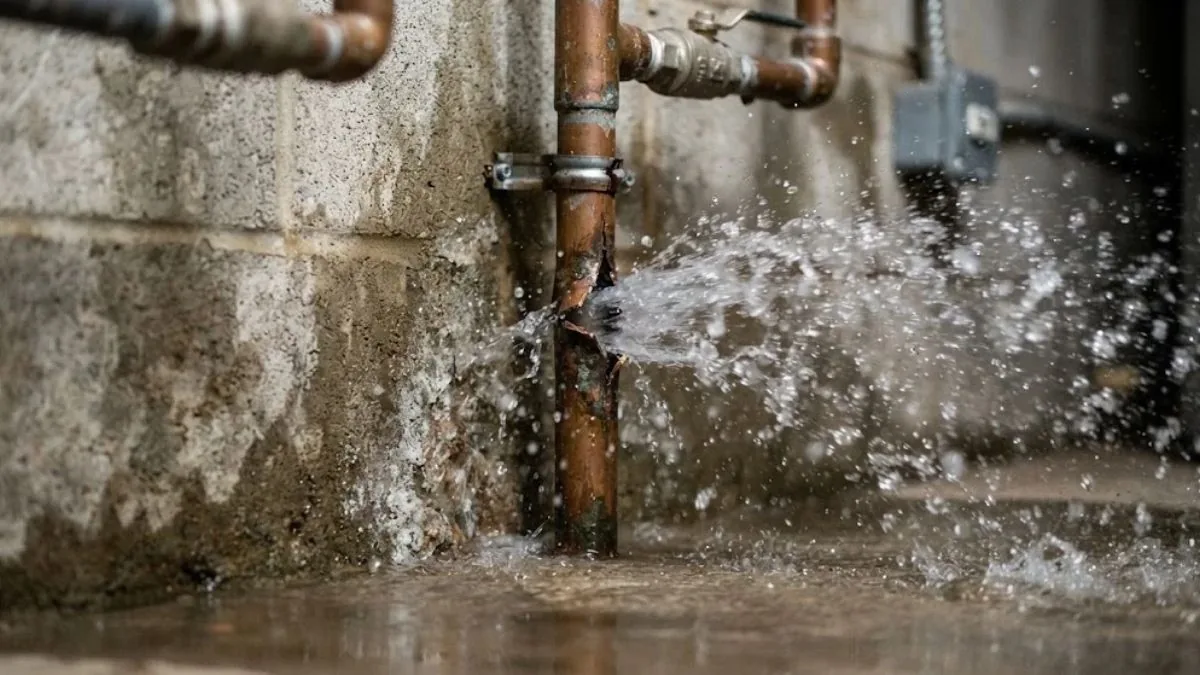
A typical homeowner policy in California covers damage from a sudden and accidental burst pipe, such as a split supply line, but usually does not cover the cost of the pipe itself, damage from a slow leak, or damage from wear and neglect. Sewer backup and flood are generally separate. Because policies differ, read yours or ask your agent, and treat this article as general information, not insurance advice.
The difference between sudden and gradual is where most disputes begin. A pipe that splits overnight is a different claim from a pinhole that dripped inside a wall for a year.
A general guide
| Situation | Often covered? | Why |
|---|---|---|
| Pipe splits and floods a room | Damage often yes, the pipe usually no | Sudden and accidental |
| Slow leak behind a wall for months | Often excluded | Gradual, treated as maintenance |
| Tearing out to reach a covered leak | Often yes, check the policy | Access to the source |
| Sewage backup | Only with an endorsement | Usually a separate coverage |
| Flood from outside | Not under a standard policy | Needs flood coverage |
| Water heater leak | Resulting damage may be covered, the heater is not | Age and wear are excluded |
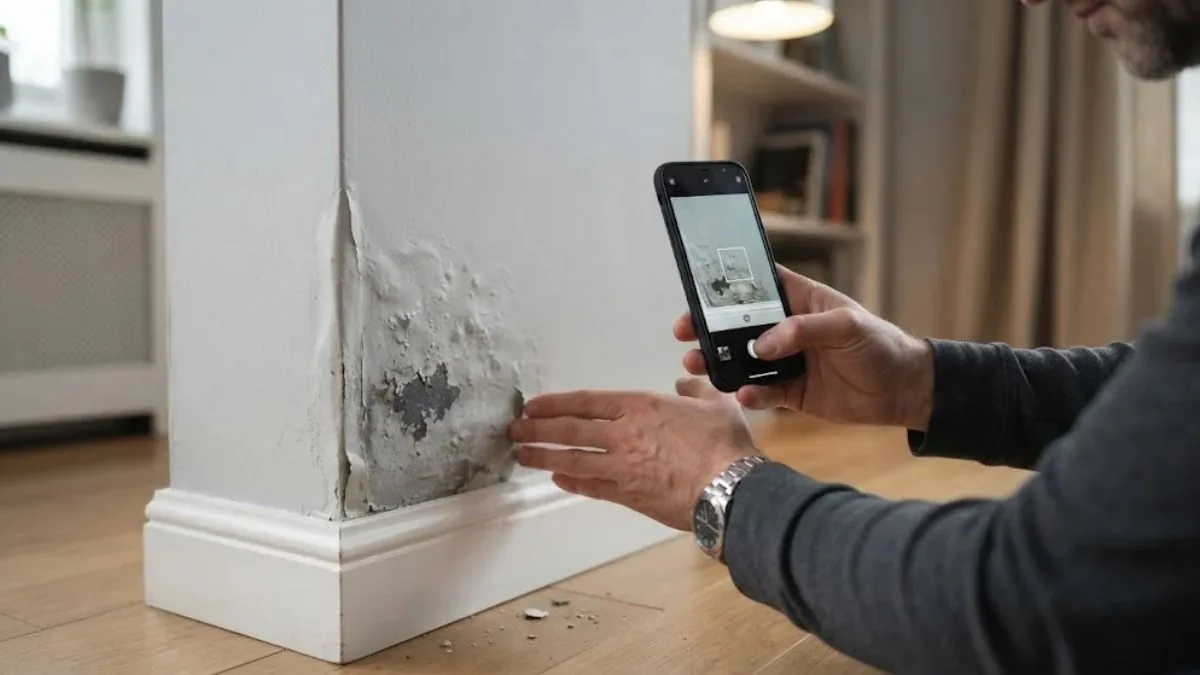
What helps your claim
Stop the water
Close the main valve to limit damage.
Document
Photos and video of everything before cleanup.
Call
Your insurer, then a plumber.
Keep records
Receipts, readings, and the plumber's written findings.
Habits that protect a claim
- 1Take reasonable steps to stop further damage, since many policies expect it.
- 2Keep damaged items until the adjuster has seen them, if you can.
- 3Ask the plumber to write down the cause and the failed part.
- 4Save the invoice for the repair.
- 5Read the policy for deductibles and time limits.
A plumber's note can decide a claim
An insurer will ask what failed and when. A written note from the plumber that names the failed part, describes its condition, and says whether the failure looks sudden helps everyone. We provide a written finding on repairs, and our split pipe repair team documents what it finds. If you do not know where the water came from, leak location traces it.
Keep in mind that drying and rebuilding are separate from the plumbing repair. Our water extraction and drying page explains the first 48 hours.
Older pipes and the sudden-versus-gradual line
Census-based counts put roughly 13,400 Downey homes in the 1950s, with about 3,000 more in the 1940s. Supply pipe that old is more likely to fail from corrosion than from a freak event, and insurers treat wear differently from a sudden burst. A pinhole that develops slowly may fall on the maintenance side of the line.
The practical advice is to catch problems early. Read your meter. Look under sinks twice a year. Replace aging shutoff valves.
A homeowner who finds a leak in week one has a very different claim from one who finds it in month six. We help homeowners in Norwalk, CA and across the area do exactly that. For consumer help with an insurance question, the California Department of Insurance has resources for policyholders.
Questions worth asking before you need to
Ask about these in your policy
- 1What counts as sudden and accidental?
- 2Is there a limit on water damage claims?
- 3Does it cover tear-out and access to the leak?
- 4Is sewer backup covered, and for how much?
- 5What is the deductible, and does it differ for water?
- 6How will a claim affect renewal?
A twenty-minute call with an agent before a loss is worth more than hours of reading after one. Ask for the answers in writing, and keep your declarations page where you can find it. If you rent, renters insurance is a separate policy and covers your belongings, not the building.
| What a plumber's written finding should say | Why it helps |
|---|---|
| Which part failed and where | Identifies the cause |
| Its age and condition | Shows wear versus a sudden event |
| When it likely failed, if known | Supports a sudden-loss claim |
| What was repaired | Shows reasonable steps were taken |
| Photos of the failed part | Gives the adjuster evidence |
Keep damaged materials until the adjuster has looked at them, if you safely can, and keep the failed part. A cracked fitting in a bag is evidence. For consumer help with an insurance dispute, the California Department of Insurance offers resources for policyholders.
How the line between sudden and gradual plays out
| Scenario | Likely treatment | Why |
|---|---|---|
| A supply line splits overnight and floods the kitchen | Damage often covered, pipe not | Sudden and accidental |
| A pinhole drips for a year inside a wall and rots the framing | Often excluded | Gradual leakage over time |
| A water heater fails and leaks onto the garage floor | Resulting damage may be covered | Depends on cause and policy wording |
These are general patterns, not promises. Policies use different wording, and insurers decide each claim on its facts. The point is to know the difference between a sudden event and a slow one before you are in the middle of a claim.
If you are unsure whether something qualifies, call your insurer and ask before you start repairs, but do not delay stopping the water. Reasonable steps to prevent further damage are generally expected, and photographs taken before and during cleanup help every kind of claim.
Many people also forget to update their policy after a remodel. If you replaced pipes, added a bathroom, or finished a basement, tell your agent, because coverage limits are based on what the house is now. Finally, think about timing.
Do your policy review in a calm month, not after a loss. Photograph your plumbing shutoffs, your water heater data plate, and the condition of your house once a year, and store the photos in the cloud. If a claim ever happens, you will have a record of what the house looked like before, which is often the hardest thing to reconstruct afterward.
Common questions
Many policies cover sudden and accidental water damage, such as from a burst pipe, but not the pipe itself and not slow leaks or wear. Policies differ, so read yours. This is general information, not insurance advice.
Some policies pay for the cost of opening walls or floors to reach a covered leak. Others do not. Ask before work starts.
Gradual leaks are commonly excluded, because policies treat them as maintenance. This is why checking your meter and bill matters.
It can, and claims history can affect renewal. Ask your agent how a claim may affect you, and weigh it against the cost of the repair.