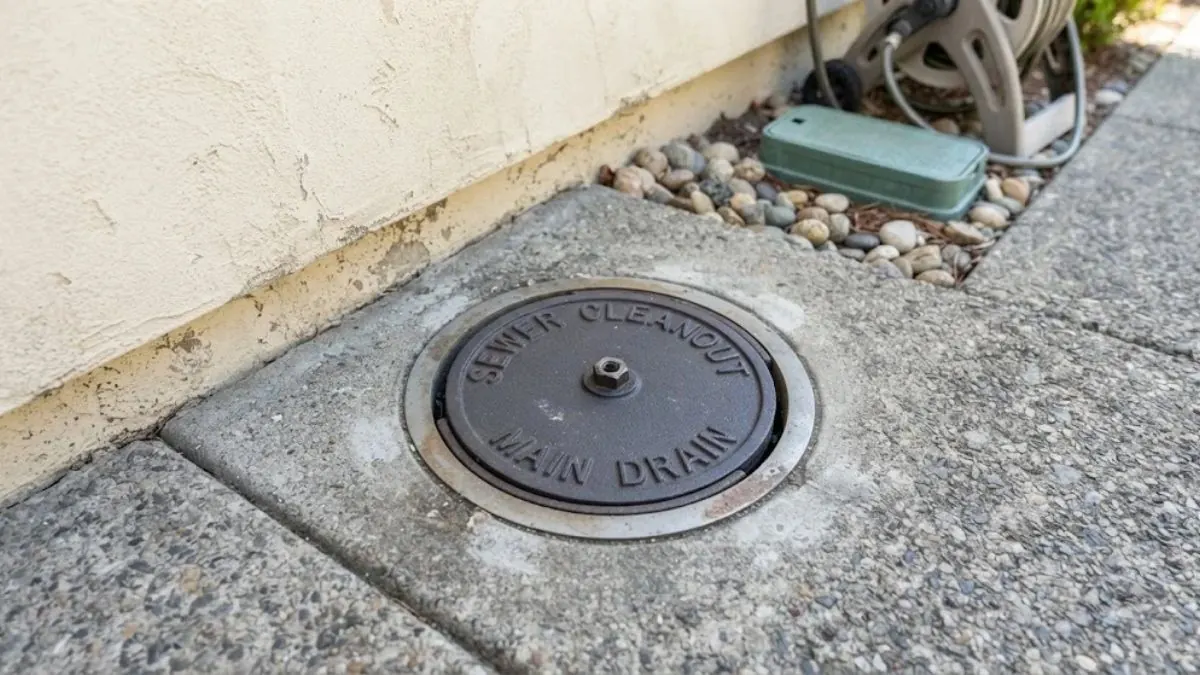
If sewage is backing up into your tub, floor drain, or toilet, stop using water in the house right away, keep people and pets away from the affected area, and call a plumber. Do not pour chemicals down the drain, and do not try to clear a main line yourself. The next hour matters, because every flush, shower, or load of laundry sends more water to the same blocked pipe.
A backup is one of the worst plumbing events a household faces. A calm, ordered response makes it much less damaging.
What to do, in order
Stop water use
No flushing, laundry, dishwasher, or showers.
Protect people
Keep children and pets out of the area.
Document
Photos and video before you move anything.
Call
A plumber first, then your insurer.
What not to do
- 1Do not run water to see if it clears.
- 2Do not use chemical drain openers.
- 3Do not touch sewage with bare skin.
- 4Do not use a household vacuum on wet sewage.
- 5Do not open the cleanout cap if you are unsure.
Common causes of a main line backup
| Cause | How it shows up | What a plumber checks |
|---|---|---|
| Grease and buildup | Several drains slow, then back up | Camera, then cable or jetting |
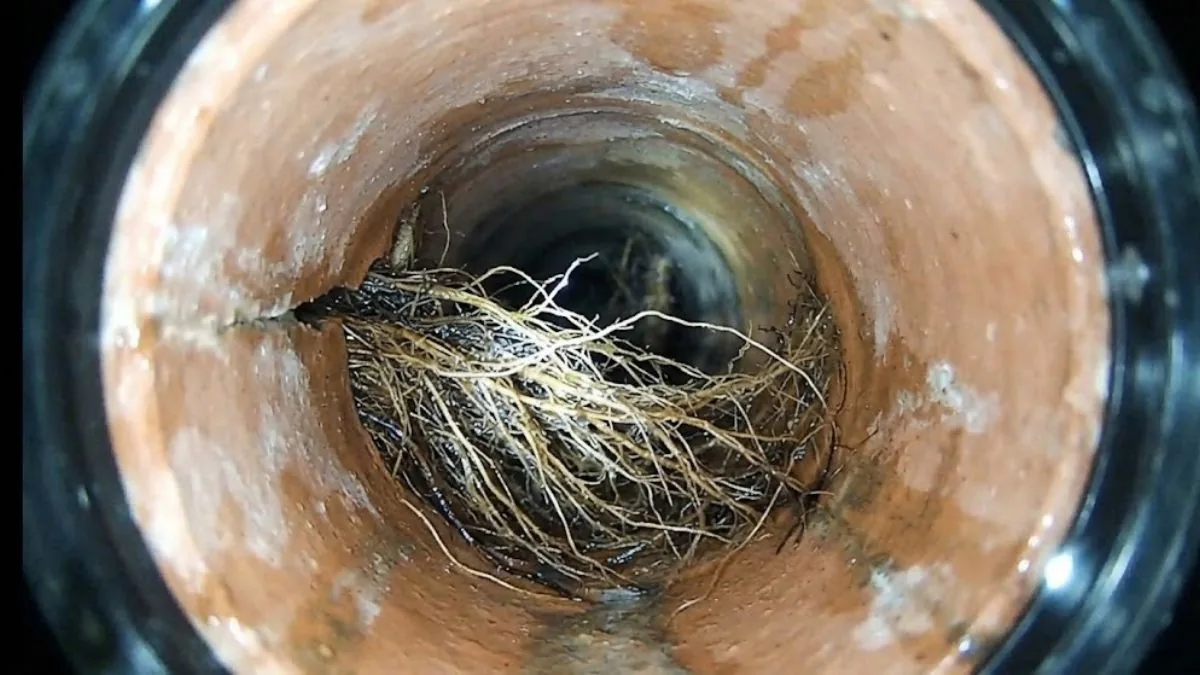
| Tree roots | Repeat clogs after clearing | Roots at joints, on camera |
| Broken or collapsed pipe | Backups that do not stay cleared | Crack or collapse, on camera |
| Belly or sag | Water sits in a low spot | Slope and standing water |
| Foreign objects | Sudden stoppage | Obstruction, on camera |
The camera is the key tool. It shows whether the stoppage is a soft clog that a cable will open, a coated pipe that needs hydro jetting, or damage that calls for sewer pipe repair. Without it, you are guessing, and a guess can cost you the same backup again within weeks.
The Uniform Plumbing Code (UPC) sets minimum slopes for drain piping so waste keeps moving. A pipe that has settled below that slope holds water and catches debris, and no amount of cleaning cures a sag.
The health and insurance side
Sewage water falls into the most contaminated category in the industry standard for water damage, ANSI/IICRC S500, which means porous materials that were soaked are usually removed rather than dried. Cleanup is a separate trade from plumbing, and our water damage repair page explains it.
On insurance, most homeowner policies treat a failed sewer lateral as wear and tear, and backup damage often needs an endorsement. Check your policy before you need it, and take photos right away.
What the age of the house changes
South Gate has the oldest housing of the cities we serve, with roughly 5,600 homes built in 1939 or earlier by census-based counts, and the sewer lines under those streets and yards are correspondingly old. Downey's housing leans toward the 1950s, with roughly 13,400 homes from that decade. Lines that age have had a long time to collect roots, shift, and crack.
A homeowner with an older house and a repeat backup should ask for a camera look at the whole lateral. Our the South Gate area page explains how age shapes the calls we see there. The cheapest backup is the one you plan for, with an inspection before the emergency.
The camera, step by step
Open the cleanout
A small camera on a flexible cable goes into the line.
Travel the pipe
The operator watches the screen and notes distance.
Mark the problem
A locator above ground marks the depth and position.
Show you
You see the footage and hear the options.
The camera turns a guess into a decision. A soft clog, a coated pipe, a root intrusion, a belly, and a collapse each call for a different fix, and without the camera you cannot tell which one you have. Ask to see the footage and to keep a copy.
It is also useful for insurance and for resale. The same trip tells you the pipe material and whether the rest of the line is healthy, which matters if you are weighing a repair against a bigger project.
Habits that prevent the next backup
- 1Keep grease, wipes, and paper towels out of drains and toilets.
- 2Have the main line scoped if it has been cabled more than once.
- 3Know where your cleanout is and keep it accessible.
- 4Watch for slow drains in several fixtures at once.
- 5Ask about a backup endorsement on your insurance.
A backup is rarely the first sign. A gurgling toilet, a slow tub, and a floor drain that burps are early warnings. Acting on them, with a camera look and a plan, is cheaper than waiting for sewage in the bathroom.
Who does what after a backup
| Task | Who usually does it | Notes |
|---|---|---|
| Clearing the line | Plumber | Camera first, then the right tool |
| Removing sewage and wet materials | Restoration crew | Contaminated porous materials are usually removed |
| Disinfecting and drying | Restoration crew | Documented with moisture readings |
| Repairing the pipe | Plumber | Only after the camera shows damage |
| Claim paperwork | You and your insurer | Photos and invoices matter |
Do not attempt to clean a large sewage spill yourself. Small spills on a hard floor can be cleaned with gloves, disinfectant, and plenty of ventilation, but anything that soaked carpet, drywall, or insulation is a job for people with the right equipment and protective gear. Keep children and pets out until it is done.
One more reason to act quickly: a main line that is backing up is not only a nuisance, it is a hazard. Sewage standing on a floor can seep into subflooring and drywall, and the longer it sits, the more of the house it affects.
Even if the plumber arrives within the hour, your own first steps decide how far the water travels. Stop the water, protect the area, and keep records, then let the camera show what needs to be done.
Common questions
No. Sewage can carry bacteria and other contaminants. Keep children and pets away, wear gloves and boots if you must enter, and wash well afterward. For anything beyond a small spill, let a professional handle it.
No. Chemical openers rarely clear a sewer line and can injure whoever opens the trap later. Stop using water and call a plumber.
Sewer backup damage often needs a separate endorsement on a homeowner policy. Check your declarations page, photograph everything, and call your insurer early.
Usually a capped pipe, three to four inches across, near the house or at the property line. Do not open it unless you know what you are doing, because pressurized sewage can spill out.
Sewage backing up right now?
Call the 24/7 line. Stop using water and we will take it from there.
☎ Call (562) 488-9614