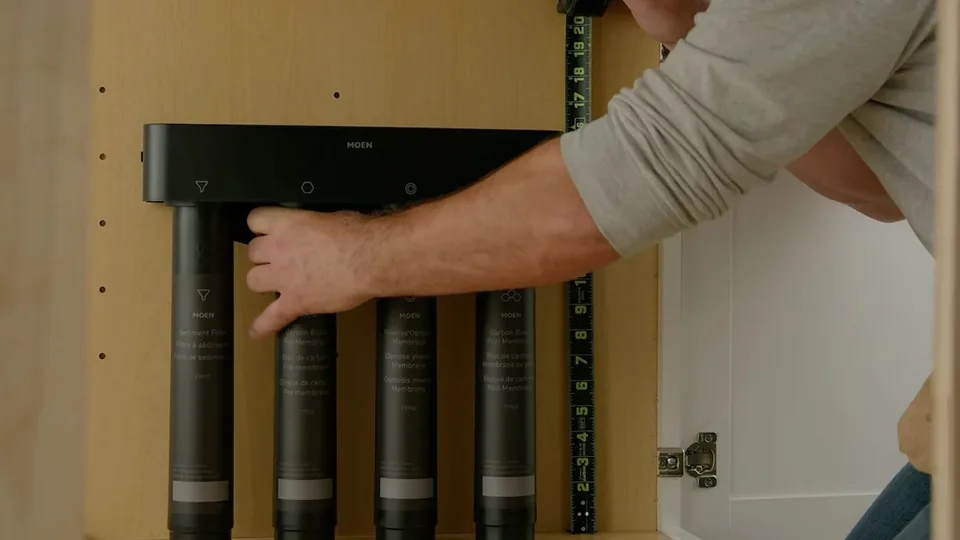
Chlorine taste, cloudy glasses, or wanting to know what is in your water
Most people who look into filtration have one of a few reasons. The water tastes or smells of chlorine. A glass looks cloudy when first poured.
A family member wants cleaner drinking water. Or a news story or a utility letter raised a question about a specific contaminant.
Each reason points to a different tool, and a filter that solves one may do nothing for another. Starting with the reason keeps you from buying a system that solves a problem you do not have.
Water filtration installation in Downey, CA means choosing and installing a filter or purification system sized for your household and certified for the thing you want to remove. It can be a single under-sink unit, a reverse osmosis tap, or a whole-house system at the main line.
| Goal | Tool | What to look for |
|---|---|---|
| Chlorine taste and odor | Carbon filter | NSF/ANSI 42 certification |
| A specific health-related contaminant | Filter certified for that contaminant | NSF/ANSI 53 listing that names it |
| Very clean drinking water at one tap | Reverse osmosis | NSF/ANSI 58 certification |
| Sediment or cloudiness | Sediment filter | A micron rating suited to your water |
| White crust and scale | Water softener, not a filter | See our softener page |
Before you buy a filter
- 1Read your utility's annual water quality report and note what is detected.
- 2Decide what you want to remove, and write it down.
- 3Check that the filter's certification lists that specific thing.
- 4Ask for the capacity rating and replacement schedule.
- 5Remember that a filter does not fix hard water scale. A softener does.
Not sure what you need?
Call and describe the problem. We will help you narrow it down before you spend anything.
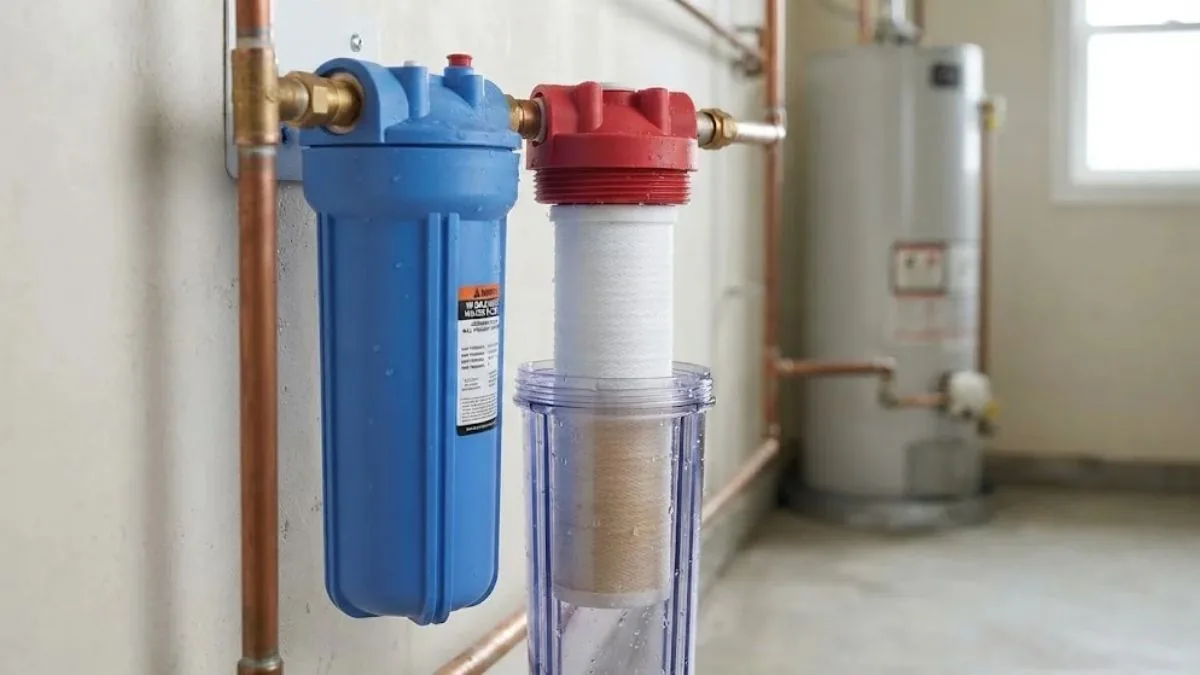
Why your utility's report comes first
Each utility in this area publishes an annual water quality report listing what it detected. Golden State Water Company's 2026 report for the Norwalk System, for example, says its water purchased from the Metropolitan Water District contains chloramine, and it lists hardness, minerals, and trace constituents with the ranges found.
The City of Downey Water Division operates 20 groundwater wells and keeps three imported MWD connections, so its mix of sources differs from a city that buys all its water. Your own report shows what applies to your address. That is where to start, because a filter chosen for a contaminant your water does not have is money spent for nothing.
We are not medical professionals and we do not make health claims about particular contaminants. A lab test of your own tap is the right tool when you have a specific concern.
Whole-house filter
- Treats water at the main line
- Protects every tap and appliance
- Needs adequate space and bypass valves
- Best for sediment or chlorine across the house
Point-of-use filter
- Treats one tap, usually under the sink
- Lower cost and easy to service
- Good for drinking and cooking water
- RO and certified carbon units are common
How an installation goes
Decide the goal
We confirm what you want to remove.
Pick the system
Capacity and certification match your goal.
Install
Mounting, plumbing connections, and a bypass if needed.
Test and brief
Flow, leaks, and the replacement schedule.
What affects filtration costs
Insurance note: water filtration is a household upgrade and is not an insured loss. Keep the receipts and the model details for warranty and filter changes.
Water filtration questions from Downey
A softener removes hardness minerals, calcium and magnesium, to stop scale. A filter removes other things, such as chlorine taste and odor, sediment, or specific contaminants, depending on the type. They solve different problems, and some homes use both. If scale is your issue, see our water softener page. If taste or a specific contaminant is the issue, a filter is the tool.
Start with what you want to remove. For chlorine taste, a carbon filter certified to NSF/ANSI 42 is the usual answer. For specific health-related contaminants such as lead, look for NSF/ANSI 53 certification for that contaminant. For a broad reduction at one tap, reverse osmosis systems certified to NSF/ANSI 58 are common. The certification must list what you care about.
Some systems in this area use imported Metropolitan Water District water, which contains chloramine. Golden State Water's Norwalk report says so. Standard carbon removes chlorine more easily than chloramine, so if chloramine is present you want a filter designed for it. Check your utility's report to see what is added.
It can be, for drinking and cooking water at one tap. It produces some wastewater, removes minerals along with other things, and needs filter changes. Some people add a remineralizing stage for taste. It is a good fit for a household that wants one very clean tap, and overkill for one that only dislikes a chlorine taste.
Not from looking. A utility's annual report describes the water it delivers, and a lab test of your own tap tells you about your house, including old plumbing. We can help you read a report and tell you what a filter can and cannot do. We do not give medical advice, and for health questions, speak with a physician.
It depends on the type, the manufacturer's rating, and your water. Carbon cartridges and RO membranes have different schedules. The filter's data sheet gives the capacity, and a filter used past its rating stops working while still looking fine.
If scale is the problem, start with a salt-based softener instead. For households thinking about the whole system, our water heater page explains how scale affects a tank. We install filtration for homeowners in Pico Rivera, CA and nearby cities as well.
Downey, in Los Angeles County, gets water from the City of Downey Water Division's wells with three Metropolitan Water District connections, so your tap can differ from a neighbor's. Households near the Columbia Memorial Space Center and PIH Health Hospital Downey should read the city's current report before choosing a filter.